


The arrest of Salim Dola, a key figure in a Rs 5,000 crore drug empire, in Turkey has dealt a significant blow to the Dawood Ibrahim Syndicate. Indian authorities plan to seek his extradition to aid in dismantling the syndicate further. Dola’s arrest was made possible through a joint operation by Turkey’s National Intelligence Organisation and police units.
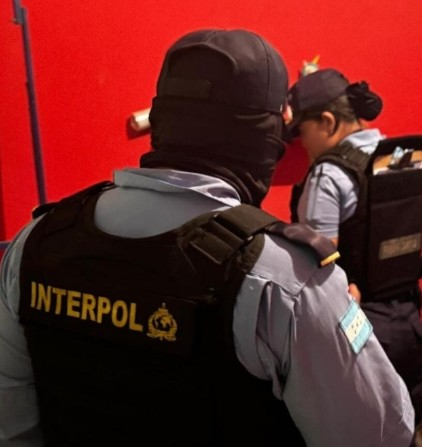
India aims to coordinate with the United Arab Emirates (UAE) for Dola’s extradition, given his UAE passport. The process involves first extraditing him to the UAE, followed by coordination with UAE agencies for his extradition to India. Dola’s detention was based on an Interpol Red Corner Notice issued at the request of the Central Bureau of Investigation (CBI).
Officials express confidence in the extradition process, citing past successes like the extradition of Dola’s son and a key associate. The ongoing crackdown on drug cartels across the country, including those from Pakistan, Myanmar, and Mexico, underscores the urgency of dismantling the Dawood Syndicate. The syndicate’s earnings from narcotics smuggling reportedly fund terror groups in Pakistan.
The arrest of Dola is seen as a significant setback to the Dawood syndicate’s operations in key Indian cities. Authorities emphasize the importance of targeting narco syndicates to combat terrorism effectively. The nexus between drug cartels and terror groups, particularly in Pakistan and Myanmar, highlights the interconnected nature of these illicit activities.
Dola’s arrest, along with that of his son and associate, signals a weakening of their transnational drug trafficking network. The interrogation of Dola and his associates is expected to reveal production points that can be eliminated. Authorities also aim to gather intelligence on the syndicate’s ties with Dawood Ibrahim and ISI elements supporting the network.
