


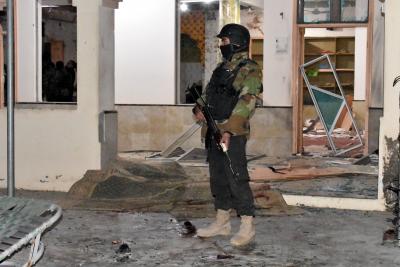
The Baloch Liberation Army (BLA) displayed its ability to challenge state authority in Balochistan through the second phase of ‘Operation Herof’. This operation, involving 50 fighters from the BLA’s suicide unit, the Majeed Brigade, paralyzed the state’s control across Balochistan for six days. The BLA conducted coordinated attacks in key cities, causing heavy casualties and damages to the Pakistani military.
The week-long operation, spanning 14 cities in Balochistan, marked the largest and most organized military action in the BLA’s history. According to reports, over 362 Pakistani security personnel, including army members, Frontier Corps, police, and state-backed armed groups, were killed during the operation. By targeting military camps, police stations, and economic centers, the BLA showcased its military capabilities and challenged the notion of Pakistan Army supremacy in the region.
The BLA’s actions conveyed a message that Baloch national institutions hold decision-making powers and that investments in the region require their consent. The attacks in cities like Quetta, Gwadar, Noshki, and Chagai demonstrated the BLA’s manpower and its potential for future, more organized assaults. The operations over six days indicate forthcoming intense confrontations between the Pakistan Army and Baloch resistance fighters, reshaping Balochistan’s political and military landscape.
