


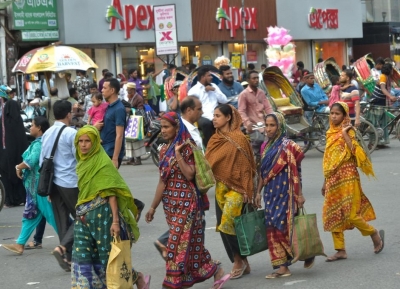
Bangladesh’s interim administration, led by Muhammad Yunus, has not met public expectations, with citizens facing financial strain due to high inflation, low wages, and food shortages. Despite promises of relief, the government’s tenure is ending with little improvement in economic conditions. The country’s current inflation, driven by supply-side issues and structural weaknesses, remains a persistent challenge.
Dhaka’s markets have quieted down as rising prices force consumers to cut back on spending and opt for cheaper goods. Inflation in Bangladesh rose to 8.49% in December 2025, marking the 41st consecutive month above 8%. Food inflation hit 7.71%, the highest in seven months, while non-food inflation reached 9.13%. Wages have not kept pace, with nominal wage growth at 8.07% in December, trailing behind inflation for the 47th straight month.
The inflationary pressures are exacerbated by supply chain disruptions and banking challenges, leading to reduced imports and market uncertainties. Despite global price decreases, domestic consumers have seen little relief due to persistent high retail prices. The country faces significant post-harvest food losses, with inefficiencies in storage and distribution contributing to wastage.
Structural failures in the food supply chain have led to substantial losses of essential produce, impacting both consumers and the economy. Inadequate storage facilities and poor handling practices result in significant wastage of fruits, vegetables, and other perishable items. Despite producing enough food on paper, Bangladesh struggles to ensure that it reaches those in need, creating a complex economic situation.
