


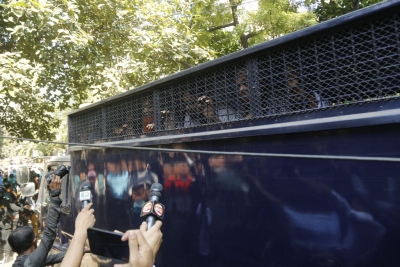
Bangladesh’s International Crimes Tribunal (ICT) has approved every arrest warrant request since August 2024, without rejecting any. Recent warrants issued against two journalists on questionable grounds have sparked concerns about the tribunal’s operations. Dozens have been detained without formal charges, raising questions about due process.
Notable cases include former civil aviation minister Faruk Khan and ex-Energy Advisor Tawfiq-e-Elahi Chowdhury, both held without charges for 20 months. The ICT’s practice of denying bail and prolonged pre-charge detentions have drawn attention. The tribunal’s rules lack clear criteria for granting bail, leading to extended detentions without justification.
Journalist David Bergman highlighted the case of Tawfiq-e-Elahi Chowdhury, detained for over a year, whose bail application hearing was postponed for three months. Accused individuals often spend weeks or months without receiving written details of the allegations against them. Delays in providing this information undermine fundamental due process rights.
Babu and Rupa, Bangladeshi journalists arrested in May 2026, had not received copies of the allegations against them after more than two months. The right to prompt information about one’s arrest reasons is crucial for due process, a principle recognized in various international agreements. The tribunal’s handling of cases has raised concerns about adherence to fair trial standards.
