


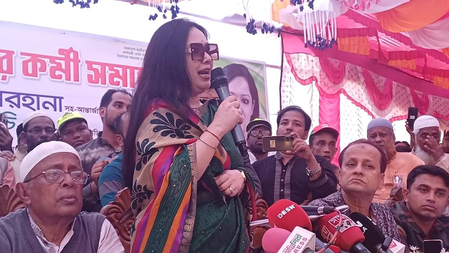
Rumeen Farhana, an independent lawmaker in Bangladesh, has criticized the ruling Bangladesh Nationalist Party (BNP) government for appointing party-linked individuals to key positions, such as the Governor of Bangladesh Bank and Vice Chancellors of public universities. Farhana expressed concern during a parliamentary session, highlighting the lack of highly qualified professionals in these roles compared to other South Asian countries. She pointed out that appointments seemed to favor party affiliation over merit, citing examples of politically connected individuals taking up important positions.
Farhana, a former BNP leader who contested the national election as an independent candidate, emphasized the need for inclusivity in Bangladesh. She raised questions about the diminishing role of women in decision-making processes, noting their initial active participation in movements that later seemed to fade away. Farhana stressed the importance of women’s involvement in societal issues and criticized the treatment of women as objects once the turmoil subsides.
Expressing concerns about the power balance between Bangladesh’s President and Prime Minister, Farhana highlighted the lack of independence for the President in delivering speeches. She questioned the extent of balance in governance when even minor measures of autonomy were restricted. Farhana’s remarks underscored broader issues of political appointments, gender equality, and power dynamics within the Bangladeshi government.
