


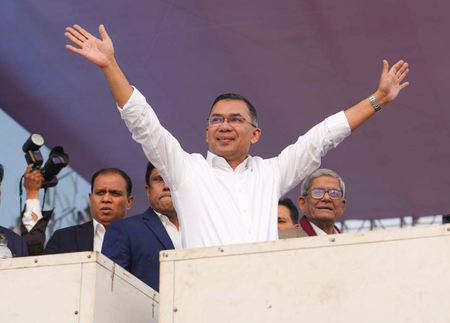
Bangladesh’s 13th Parliamentary Election signifies a shift back to genuine multiparty politics after years of disputed contests. The Bangladesh Nationalist Party (BNP) emerged victorious, securing over two-thirds of the seats. The BNP now faces the task of addressing deep-rooted concerns in a nation marked by political turmoil.
The BNP’s agenda includes tackling corruption allegations, reassuring minorities, and addressing concerns among supporters of the Awami League. Immediate priorities involve economic stabilization, boosting exports, and managing trade agreements. The party’s stance on India, development projects, and water-sharing negotiations will be crucial in shaping Bangladesh’s political future.
This election marks a significant move towards rebuilding public trust in the democratic process. The BNP-led coalition’s sweeping victory grants it a strong position to influence proposed reforms. However, the party must navigate challenges, including differences with the opposition alliance and public expectations as a two-thirds majority party.
On the domestic front, the BNP must combat perceptions of corruption within its ranks and cater to the interests of various groups, including Awami League supporters and minorities. Addressing the needs of the youth population, particularly in terms of employment opportunities, is also a pressing issue. Economic concerns, such as declining exports and trade agreements, demand immediate attention for sustainable growth.
