


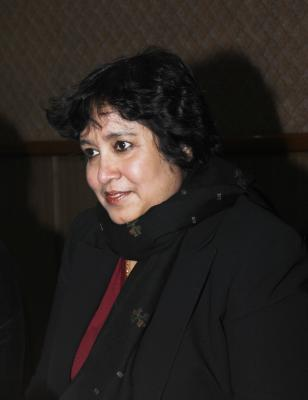
Lamenting the limited presence of women candidates in Bangladesh’s forthcoming elections, a Dhaka daily highlighted “systemic design and failure” as the primary causes. The Daily Star article emphasized that the shortage of women candidates is not due to their abilities but stems from systemic issues. Writer and activist Taslima Nasreen, though not directly named, echoed similar sentiments, expressing her views on the matter.
Taslima Nasreen, a feminist and activist living in exile for more than three decades, expressed her disappointment at not being acknowledged in such discussions despite being a prominent advocate for gender equality. She stressed the importance of gender equality, secularism, and peace in Bangladesh, rather than personal recognition. The article also noted Bangladesh’s history of female leaders but highlighted the stark underrepresentation of women in competitive politics.
The report referenced former Prime Minister Sheikh Hasina and the late Khalida Zia, both of whom entered politics due to family legacies. It pointed out that while women are technically free to run for office, the nomination process is influenced by patronage, money, and male-dominated networks. This biased system, the article argued, inherently disadvantages women in political competitions, leading to their low representation.
Taslima Nasreen emphasized the unequal treatment of women in Bangladesh and the need for more voices advocating for gender parity. She highlighted the challenges she faces, including her books being banned in Bangladesh and the narrative surrounding her work as harmful. Despite the obstacles, she continues to advocate for gender equality and lives in exile, as reflected in her book titled “Nirbashito” or banished.
