


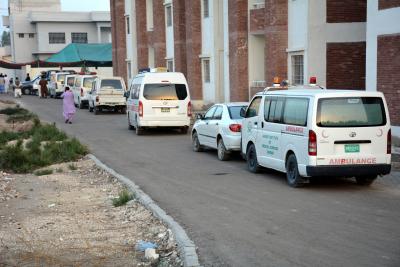
Revelations from a BBC documentary shed light on the systemic negligence in Pakistan’s public healthcare system, particularly at the Tehsil Headquarters Hospital in Taunsa city, Punjab. The documentary uncovered alarming malpractices such as reuse of contaminated syringes, improper injections, and mishandling of medical waste, raising serious concerns about patient safety. Despite official promises of reform, these dangerous practices persist, indicating weak accountability mechanisms.
The suspension of a single official following the expose appears more symbolic than effective, highlighting the need for comprehensive structural reforms. Discrepancies in reported infection numbers, with authorities confirming 106 cases while the investigation reveals 331 infected children, raise questions about transparency and crisis management readiness. Downplaying figures may temporarily protect reputations but undermines trust and hampers response strategies.
The healthcare challenges extend beyond Taunsa, as evidenced by a Monkeypox outbreak in Sindh that affected over 100 individuals, predominantly children, with a significant fatality rate. The lack of infection control practices in healthcare facilities is identified as a key factor contributing to the outbreak, emphasizing the urgent need for improved safety measures. Unsafe medical practices, including inadequate sterilization and blood transfusions, continue to pose serious health risks across the country, pointing to systemic deficiencies in training and oversight.
