


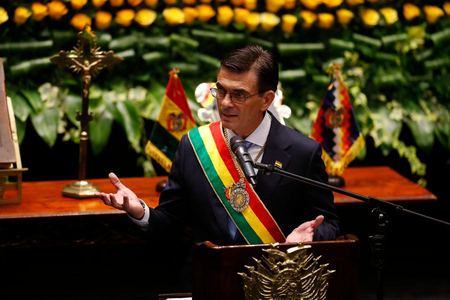
Bolivian President Rodrigo Paz has announced plans to revamp his cabinet and establish an economic and social council to unite various sectors across the country. This move comes in response to recent protests demanding his resignation since late April, marking the government’s initial step towards political restructuring. Paz emphasized the need for a more responsive and communicative cabinet capable of addressing social issues effectively.
The proposed economic and social council will include representatives from different social segments like farmers, trade unions, and transport workers. Its primary role will involve assessing the implementation of public policies, discussing presidential reforms, and dispelling misinformation about government actions. This initiative aims to foster dialogue and tackle accumulated social grievances in Bolivia.
As Bolivia grapples with heightened unrest, various groups such as farmers, miners, and teachers have engaged in protests and roadblocks for over three weeks. The government has alerted the Organization of American States (OAS) about the escalating political and social turmoil, with some demonstrators calling for President Paz’s resignation. The situation has raised concerns about democratic stability and basic rights in the country.
Bolivian Foreign Minister Fernando Aramayo urged the OAS and its member states to support Bolivia’s constitutional order and denounce political violence amid the ongoing unrest. The protests, initially driven by sectoral demands, have evolved into a broader movement seeking Paz’s ouster. Recent police and military actions to restore order in El Alto led to numerous detentions, while demonstrations in central La Paz have resulted in clashes and property damage.
