


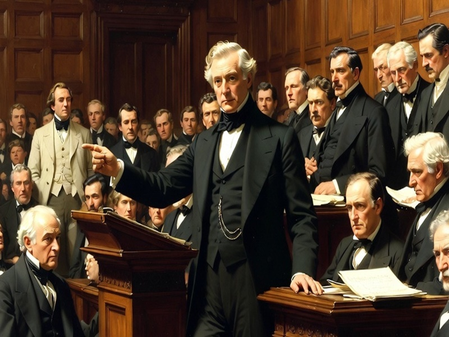
On April 4, 1811, the Chancellor of the Exchequer in London announced the East India Company’s Charter expiration in three years. This notice triggered financial and political turmoil affecting millions in India. The EIC’s transformation into a territorial power blurred commercial and territorial roles.
The Charter’s expiration mandated the redemption of the Crown’s debt to the EIC. Critics highlighted the Company’s financial distress and massive Indian debt. The EIC’s financial structure relied on Indian revenues, revealing its insolvency and reliance on debt.
As the 1814 deadline neared, Parliament faced scrutiny over the renewal process transparency. Critics raised concerns about the EIC’s lack of capital and demanded public consultation. The opposition accused the EIC and government of secretive dealings, keeping the public uninformed.
The EIC’s monopoly impacted Indian subjects economically and politically. The Company’s governance favored British creditors over Indian justice. Exploitative land revenue policies burdened Indians with debt, stifling economic growth. The monopoly suppressed Indian enterprise and trade opportunities.
Petitions flooded Parliament demanding the end of the EIC’s monopoly. British petitioners criticized the exclusion of British subjects from Indian trade, favoring foreign nations like the United States. The EIC’s monopoly prioritized control over commercial prosperity, hindering domestic and Indian commerce.
Despite warnings and petitions, the government defended the EIC’s monopoly for British India’s security. The EIC’s control, rooted in fear and debt, aimed to maintain British authority. The Charter’s expiration marked the Company’s transition into an instrument of imperial finance, burdening India with war debt.
