


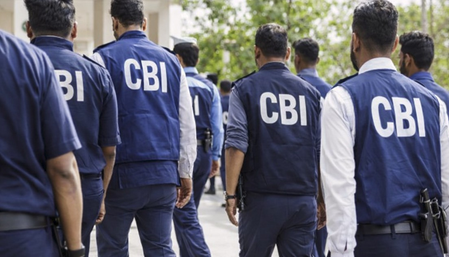
The Central Bureau of Investigation (CBI) has objected to Arvind Kejriwal, the AAP national convenor, submitting an additional affidavit supporting his request for Justice Swarana Kanta Sharma’s recusal from the Delhi excise policy case. The CBI termed this move as a belated attempt to discredit institutions and influence the judiciary. The agency argued that Kejriwal’s actions were aimed at embarrassing and pressuring the court.
The CBI emphasized that Kejriwal’s affidavit was filed after the conclusion of arguments and judgment reservation on the recusal plea, portraying it as an effort to further tarnish institutions and individuals. The agency raised concerns about the serious consequences of entertaining such allegations on the judiciary’s institutional integrity. Refuting conflict of interest claims, the CBI stated that disqualifying judges based on their family members’ legal panel affiliations would affect judicial proceedings nationwide.
The CBI also disputed the information presented in Kejriwal’s affidavit, alleging deliberate misrepresentation through social media and a misunderstanding of RTI docket allocation records. According to the agency, the RTI data only revealed the number of dockets issued to panel lawyers, not the matters assigned to them. Furthermore, the CBI accused Kejriwal of using the RTI mechanism strategically to build pressure on the Delhi High Court.
Kejriwal and other accused have filed a recusal application seeking the transfer of the CBI’s revision plea hearing to another Bench. The Delhi High Court had previously reserved its verdict on the recusal plea after detailed submissions from Kejriwal and the Solicitor General representing the probe agency. The case stems from the CBI’s revision petition challenging a trial court’s decision to discharge Kejriwal, Manish Sisodia, and others in a corruption case related to the Delhi Excise Policy 2021–22.
