


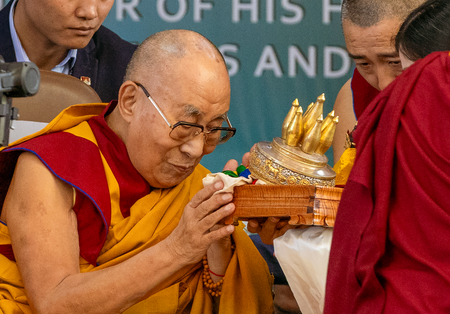
The lack of recognition for the Central Tibetan Administration (CTA) is attributed to China’s strong coercive and economic capabilities, making any claim by Tibet diplomatically challenging. Despite the CTA’s democratic structure and legitimacy, no state has officially acknowledged it due to China’s influence on the global stage, as highlighted in a European Times report.
International norms dictate that recognition is crucial for sovereignty, yet the CTA’s status remains unacknowledged, primarily to avoid provoking China’s territorial claims. The report emphasizes that while governments have historically recognized exiled administrations, the geopolitical landscape, especially China’s dominance, deters formal recognition of the CTA.
China’s control and its position on the UN Security Council act as significant barriers to the CTA’s recognition, leading nations to refrain from acknowledging it not due to internal shortcomings but due to the repercussions of challenging China. Despite this, the Dalai Lama’s global influence as a spiritual leader and advocate for Tibetans in exile transcends political barriers, offering a distinct voice amid the diplomatic complexities.
Highlighting the dichotomy between the CTA’s political aspirations and the Dalai Lama’s moral authority, the report underscores that while the CTA struggles for recognition, the Dalai Lama’s moral standing ensures Tibet’s continued presence in global consciousness, independent of formal political acknowledgment.
