


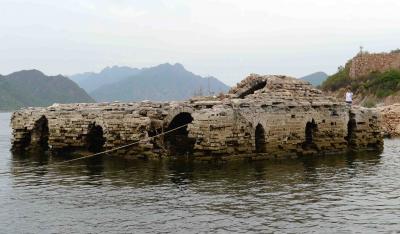
Reservoirs in China, numbering nearly 100,000, have become potential hazards during rainy seasons due to flawed management practices. These structures, designed for water storage and flood control, often lead to devastation downstream instead of protection. Authorities’ nighttime floodgate operations have resulted in sudden floods, catching residents off guard and causing significant damage.
The recent collapse of the Liulan Reservoir in Guangxi province, triggered by Typhoon Mesa’s rains, left towns submerged, crops destroyed, and residents stranded without basic necessities. This incident is not isolated, as past failures and mismanagement have led to similar tragedies in China. The government’s focus on profit and industrial needs over safety has perpetuated a cycle of disaster, putting downstream communities at risk each rainy season.
The flawed reservoir system, coupled with a lack of transparency and accountability, poses a continuous threat to millions living downstream. Despite the widespread use of mobile phones and social media, exposing these issues, the lack of proper management and oversight continues to endanger communities. Until there is a shift towards prioritizing safety and engineering integrity, China’s reservoirs will remain ticking time-bombs waiting to explode.
