


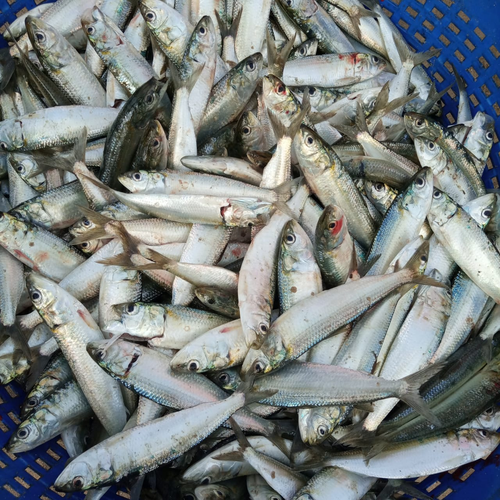
Indian oil sardine stocks are currently plentiful, but the Central Marine Fisheries Research Institute (CMFRI) has raised concerns about a possible decrease in sardine availability in 2027. Dr. Grinson George, Director of CMFRI, highlighted the threat posed by an upcoming El Nino event, which could lead to marine heat waves and rising sea temperatures affecting fish production along the Indian coast.
Dr. George emphasized that the warming linked to El Nino is expected to escalate later this year, potentially impacting the northern Indian Ocean by April-May 2027. He specifically mentioned that small pelagic fishes, especially oil sardines, are at high risk from marine heat waves and ocean warming.
The projected warming trends could result in a decline in overall marine fish production, impacting not only the fishing industry but also the livelihoods of coastal communities. Dr. George pointed out that climate projections indicate a likelihood of marine heat waves, elevated sea surface temperatures, and increased salinity in the coming months.
To assist the fishing community in adapting to these changes, CMFRI will issue El Nino advisories to fishermen and fish farmers. This initiative aims to provide them with essential information for making informed decisions regarding fishing practices and aquaculture activities. Fish farmers were also advised to prepare for abrupt environmental shifts, such as rapid fluctuations in salinity levels due to heavy rainfall following prolonged periods of high temperature.
Continuous monitoring of ocean conditions and the implementation of adaptive management strategies are deemed crucial in mitigating the impact of climate change on marine resources. These measures are essential for safeguarding the livelihoods of fishers and coastal fish farmers. As part of the National Fish Farmers Day celebrations, CMFRI scientists conducted technical sessions on various aspects of aquaculture and government support available to fish farmers.
