


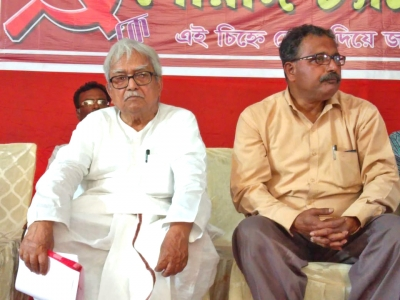
Once dominant in West Bengal, the Communist Party of India (Marxist) and its Left allies now struggle in state politics, gearing up for the upcoming Assembly election. The Left, particularly the CPI(M), seeks support, with efforts like reaching out to the Congress for a renewed alliance following past electoral setbacks. In recent years, the Left-Congress coalition has faced electoral defeats, with the Left failing to secure any Parliamentary seats in 2024 while the Congress managed just one.
Altogether, West Bengal contributes 42 elected members to the Lok Sabha, but the Left camp faces internal disarray, exacerbated by the Congress severing ties. Congress workers in the state have reportedly been demoralized by electoral losses, prompting calls for the party to strengthen itself independently. The state leadership highlights a need to boost morale among grassroots workers without relying heavily on alliances, signaling a shift in strategy.
Observers note a significant change in state leadership dynamics, particularly with the transition from Adhir Ranjan Chowdhury’s confrontational stance towards the Communists to Subhankar Sarkar’s more conciliatory approach. Sarkar, seen as a moderate figure, aligns closely with the central party’s directives, unlike his predecessor. However, internal dissent emerges within the CPI(M) and its Left allies over potential collaborations with other political entities, such as the Janata Unnayan Party (JUP) and Indian Secular Front (ISF).
Recent interactions between CPI(M) leaders and figures like Humayun Kabir and Biman Basu indicate ongoing deliberations within the Left Front regarding future alliances and electoral strategies. The Left bloc aims to finalize political understandings by the end of the month, paving the way for candidate selections in coordination with all partners. Amidst these discussions, concerns arise over demands for seat allocations, particularly from the ISF seeking a significant share in Muslim-dominated constituencies.
