


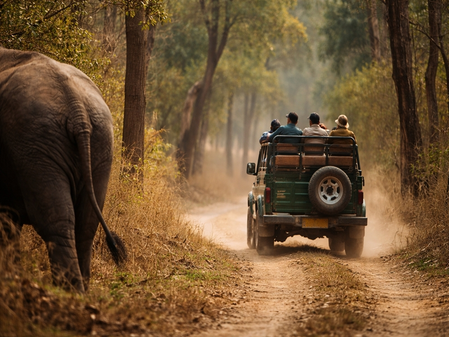
A debate unfolded in the Karnataka Legislative Assembly regarding safari operations and trekking regulations. Leader of the Opposition R. Ashoka criticized the government for abruptly banning and then reopening safari activities. He highlighted the significance of safaris in providing livelihoods to thousands of people, both locally and globally.
Ashoka expressed concern over the sudden ban on safari operations without a thorough study, leading to job losses for many. He emphasized the need for proper assessments before making such decisions to avoid adverse impacts on workers and government revenues. The opposition leader urged the government to ensure the welfare of both farmers and those dependent on safari activities.
In response, Forest and Ecology Minister Eshwar Khandre defended the decision to halt safari operations, citing a surge in man-wildlife conflicts, particularly in the Bandipur region. He pointed out incidents of tiger attacks that resulted in fatalities and permanent disabilities. Khandre underlined the importance of prioritizing human safety in areas where man-animal conflicts are prevalent.
Khandre detailed the steps taken to address the situation, including setting up anti-poaching camps, enhancing patrolling, and deploying drones along forest borders. He acknowledged the impact of the ban on safari operations, leading to revenue losses and affecting the livelihoods of many individuals. The minister explained that after implementing necessary regulations and receiving feedback, safari activities were eventually resumed.
Ashoka criticized the government’s handling of the situation, advocating for a more consistent approach to wildlife management. He questioned the effectiveness of the ban in reducing man-wildlife conflicts and emphasized the need to balance human safety with wildlife conservation efforts. Khandre responded by highlighting the growth in the tiger population over the years and ongoing studies on forest carrying capacity.
In a separate discussion, Khandre addressed trekking regulations on the Subramanya–Kumaraparvatha route, emphasizing safety concerns and the need for revised schedules to mitigate risks from wildlife encounters. He outlined the changes made to the trekking routes and restrictions imposed to manage the impact of large tourist numbers on the ecosystem. The minister also agreed to consider adjusting the trekking start time based on safety recommendations.
