


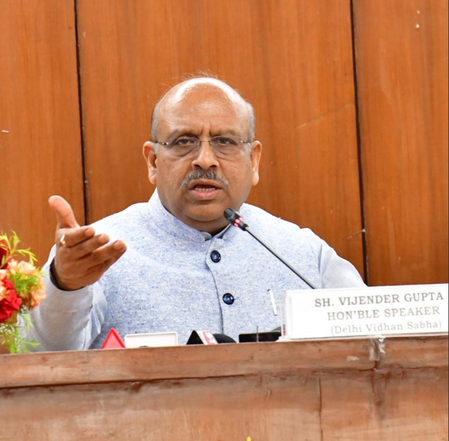
Delhi Assembly Speaker Vijender Gupta highlighted deficiencies in the excise system and urged prompt action on the Public Accounts Committee’s suggestions. He emphasized the need for accountability and timely adherence to legislative oversight. The Assembly Secretariat has instructed relevant departments to review and respond to the Committee’s recommendations from the CAG’s audit report on liquor regulation in Delhi.
The Secretariat has set a deadline for departments to submit an action taken report by January 31, 2027, based on the Committee’s recommendations. This communication was directed to the Delhi Excise Minister and the Principal Secretary (Finance) to ensure a comprehensive and time-bound response to the findings. The aim is to initiate a follow-up process at the departmental level to address the identified issues effectively.
This directive signifies the beginning of a crucial follow-up process, holding the Executive accountable for timely responses to the Committee’s findings. The goal is to translate the Public Accounts Committee’s observations into tangible administrative actions and measurable results. Speaker Gupta stressed the need for addressing systemic deficiencies in the Excise Department to prevent revenue losses and safeguard public health and governance.
The Committee’s report highlighted various shortcomings in the Excise Department’s operations, including failures in regulation, licensing, pricing, and quality control. Issues such as ineffective tracking of liquor sales, dysfunctional intelligence systems, and lapses in licensing processes were identified. The report emphasized the need for corrective measures to prevent revenue leakages and ensure transparent and accountable governance in the liquor supply chain.
