


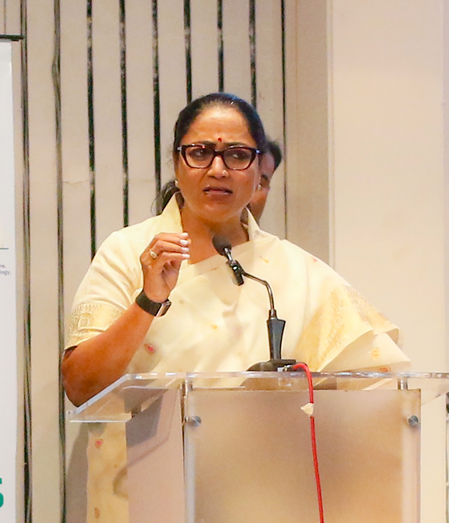
Delhi Chief Minister Rekha Gupta has introduced a new Electric Vehicle (EV) Policy to promote clean mobility and combat pollution in the city. The policy aims to boost EV adoption and establish over 30,000 EV charging stations across the capital.
In an interview, Rekha Gupta highlighted the comprehensive approach of the EV policy, emphasizing subsidies, charging infrastructure expansion, and plans for an e-waste plant. The focus is on transforming transportation methods to address pollution challenges in Delhi.
The government targets a 30% EV adoption rate by 2030, with a strong emphasis on building necessary infrastructure. Currently, Delhi has 9,000 EV charging points, with plans to increase this number to 32,000 to support widespread EV usage.
Regarding existing petrol and diesel vehicles, the transition to EVs will occur gradually through phased guidelines. The government assures current vehicle owners that they can continue using their vehicles within legal limits. Future guidelines will mandate the registration of only electric vehicles after specific dates.
Delhi’s power infrastructure is prepared for the surge in electricity demand due to increased EV adoption. The city ensures uninterrupted power supply, with a focus on solar energy integration to strengthen the power grid and meet growing energy needs.
Addressing concerns about the economic impact of the EV policy, Rekha Gupta emphasizes the policy’s benefits for Delhi’s future. The government remains committed to understanding and addressing public and governmental concerns to ensure the success of the EV policy.
The transport system in Delhi is set to undergo significant changes with a focus on enhancing mobility and public transport experiences. Initiatives include expanding Metro corridors, increasing electric buses, promoting electric two-wheelers, and implementing a holistic mobility strategy for a smarter and cleaner Delhi.
