


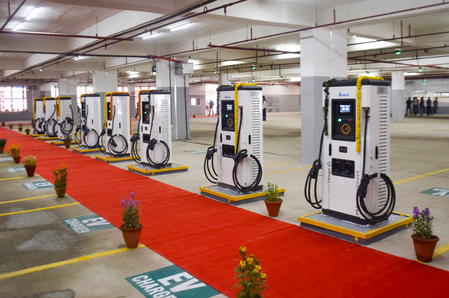
The Delhi government has requested feedback from all stakeholders, including the general public, on the draft Delhi Electric Vehicle (EV) Policy 2026. The policy, available on the Transport Department’s website and valid until 2030, aims to reduce vehicular pollution and encourage the use of electric vehicles. Stakeholders are urged to share their comments via email or post within 30 days.
The state government emphasizes its commitment to combating air pollution and promoting clean mobility through targeted incentives, infrastructure development, and regulatory measures. The Delhi Electric Vehicle Policy 2026–2030 focuses on accelerating the adoption of electric vehicles, enhancing air quality, and establishing a supportive ecosystem for electric mobility. The policy covers various aspects such as promoting EVs in all vehicle segments, establishing a robust charging network, and ensuring fiscal efficiency.
To incentivize the adoption of electric vehicles, the government has outlined specific incentives for different vehicle types. For instance, the ex-factory price of electric two-wheelers should not exceed Rs 2.25 lakh. Incentives for electric two-wheelers include Rs 10,000 per kWh during the first year of registration, up to a maximum of Rs 30,000. Similar incentives are provided for electric three-wheelers and four-wheeler goods vehicles to promote their adoption.
The policy also introduces scrapping incentives for replacing old vehicles with new electric ones. For instance, a scrapping incentive of Rs 10,000 is offered for replacing old two-wheelers with new electric vehicles. Similar incentives are available for electric three-wheelers, cars, and four-wheeler goods carriers. These incentives aim to encourage the transition to electric vehicles and contribute to reducing pollution in Delhi.
