


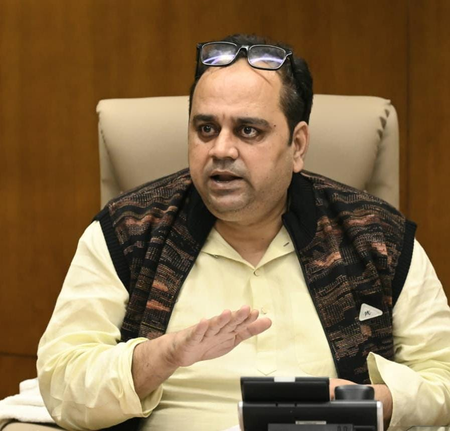
The Delhi government, through the Delhi Transport Corporation (DTC), will launch a Bus Route Rationalisation in the West Region on January 21. This initiative aims to enhance last-mile connectivity, improve reliability, and ensure commuter convenience. Transport Minister Pankaj Kumar Singh highlighted the focus on building a cleaner, stronger, and more efficient public transport system for all citizens.
The rationalisation of routes in the West Region seeks to reduce waiting times, enhance service delivery, and boost operational efficiency. Despite the ongoing phase-out of 15-year-old DTC CNG low-floor buses in compliance with regulations, the city continues to maintain an ample supply of buses. The restructuring of services in the West Region is designed to optimize fleet utilization, minimize passenger wait times, and ensure the continuity of operational services.
The new rationalisation structure will be implemented starting Wednesday, following the successful rationalisation in the Transport Yamuna Region (East). Future phases of this initiative will extend to the North Zone as well. The exercise involves careful reorganization of bus routes based on demand, ridership patterns, and corridor significance. Additional measures include the deployment of 9-meter electric “Devi” buses and adjustments for routes affected by the closure of certain CNG depots in the West Zone.
Delhi’s push towards electric mobility has seen significant progress, with over 3,600 electric buses added to the public transport fleet since the current government took office. The city aims to increase the number of e-buses to over 5,000 by March 2026 and surpass 7,000 by November 2026, positioning Delhi as a global leader in sustainable mass mobility.
