


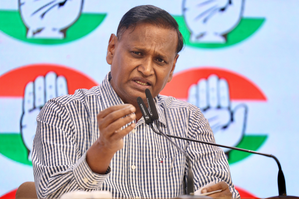
Strong political reactions have surfaced after the Delhi High Court granted conditional bail to expelled BJP leader Kuldeep Singh Sengar, who was serving a life sentence for the 2017 Unnao rape case. Congress leader Udit Raj criticized the court’s decision, urging the government to challenge it in the Supreme Court.
Expressing concern over the judgment, Udit Raj stated, “The government should appeal in the Supreme Court, and cases involving sensitive matters should not be assigned to such judges. I believe the judge showed bias, especially in such a serious criminal case.” Highlighting the severity of the crime, he emphasized, “This case garnered significant attention. If the judiciary decides to suspend the life imprisonment of a major criminal responsible for multiple deaths, it is unjust. The government should appeal, and the individual should face the death penalty.”
Samajwadi Party Deputy Chief Whip R.K. Verma reacted cautiously, noting that the issue falls under the judiciary’s purview. Verma remarked, “This is a judicial matter, and I cannot comment on the court’s ruling. However, we stand with the victim’s family. We do not have the authority to question the judiciary’s decision.”
Leader of Opposition in the Uttar Pradesh Assembly, Mata Prasad Pandey, acknowledged the legal process, stating, “This is the court’s decision now. The court has granted him bail, so we must accept it.”
The Delhi High Court recently granted conditional relief to Kuldeep Sengar by suspending his life sentence pending his appeal challenging the conviction. Justices Subramonium Prasad and Harish Vaidyanathan Shankar ordered his release on bail, requiring Sengar to provide a personal bond of Rs 15 lakh and three sureties of the same amount. The court imposed stringent conditions, including staying away from the survivor’s residence within a five-kilometer radius and remaining in Delhi throughout the bail period.
Sengar must also report to the local police station weekly, refrain from threatening or influencing the survivor and her mother, and surrender his passport to the trial court. The High Court emphasized that any violation of these terms would lead to the bail’s cancellation.
