


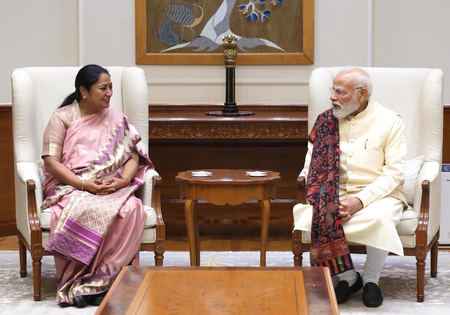
The year marked a significant turnaround for Delhi politics as the ruling Bharatiya Janata Party (BJP) reclaimed power after nearly three decades. Chief Minister Rekha Gupta, a first-time MLA, emerged as a prominent figure during her tenure, focusing on fulfilling electoral promises such as the Ayushman health insurance scheme, Arogya Mandirs, and initiatives for women like free bus rides and affordable meals at Atal Canteens.
Union Ministers played a visible role in key development projects across Delhi, emphasizing Prime Minister Narendra Modi’s commitment to the city. Chief Minister Gupta’s efforts extended to addressing legacy issues like Yamuna pollution and air quality challenges, while also introducing measures to engage youth through initiatives like University Special buses and rewards for sports achievers.
The government’s commitment to women’s welfare, including the Mahila Samridhi Yojana, aimed at providing financial assistance, showcased a strategic move with potential electoral implications. Despite facing hurdles in tackling air pollution and other environmental issues, the administration’s focus on administrative reforms, security enhancements, and welfare schemes remained central to its agenda.
The year also witnessed political dynamics with the BJP’s success in MCD by-elections, though the terror attack near Red Fort in November posed a significant security challenge. Technological advancements in the legislative process, including the Assembly going paperless, reflected a modern approach to governance. Looking ahead, Chief Minister Gupta’s administration aims to continue its focus on governance, transparency, and addressing key challenges facing Delhi.
