


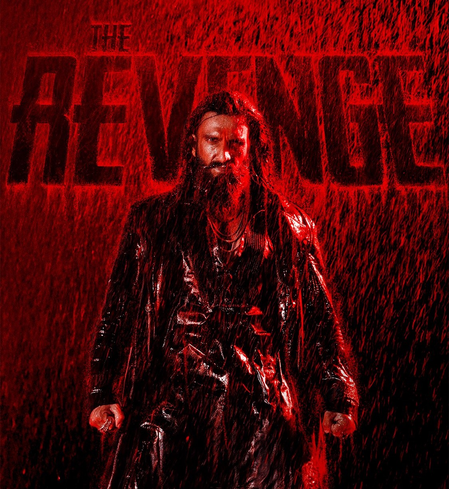
‘Dhurandhar’ is a film that resonates deeply with viewers, stirring emotions and addressing sentiments that have long been suppressed. It sheds light on the prevailing feeling among Indians regarding Pakistan’s use of terrorism as a state policy and the desire for accountability in the face of such threats. The movie challenges the notion of secularism that often led to silence on critical issues like terrorism and historical injustices.
The narrative of ‘Dhurandhar’ confronts the self-censorship that has pervaded public discourse, urging a candid discussion on topics that were previously deemed taboo. By refusing to adhere to diplomatic correctness and embracing raw emotions, the film captures the essence of a sentiment that has been brewing beneath the surface for years. It also critiques the ecosystem that influenced public narratives, highlighting the need for clarity and accountability in addressing acts of terrorism.
Aditya Dhar, the filmmaker behind ‘Dhurandhar,’ brings a personal touch to the story, drawing from his own experiences as a Kashmiri Pandit. Through his work, Dhar aims to bring marginalized narratives, such as the plight of Kashmiri Pandits, to the forefront of mainstream discourse. Despite facing criticism of being labeled as propaganda, the film challenges the existing narrative hegemony and prompts viewers to question established truths and narratives.
The film’s portrayal of unresolved history, the legacy of R.N. Kao, and the impact of terrorism on communities like the Kashmiri Pandits resonates with those who have directly or indirectly experienced the repercussions of such conflicts. ‘Dhurandhar’ serves as a platform for expressing pent-up emotions and frustrations, reflecting a broader societal shift towards reevaluating past events and demanding accountability. It underscores the power of cinema in capturing the collective sentiment of a nation and advocating for strong and decisive leadership.
