


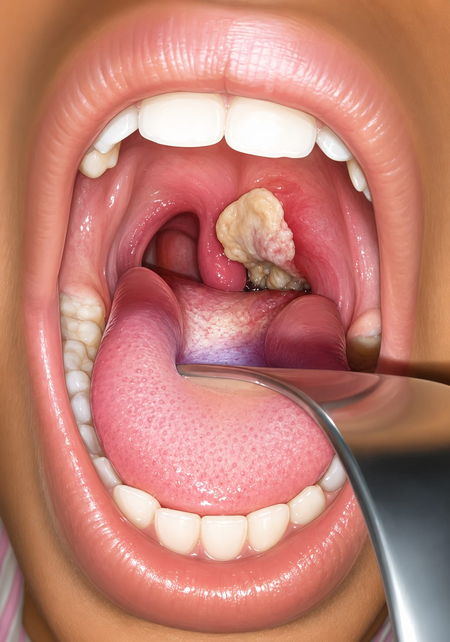
A diphtheria outbreak in Australia’s Northern Territory has escalated to become one of the largest in decades, extending into Queensland and South Australia. The National Notifiable Diseases Surveillance System reported 133 cases in the Northern Territory, with additional cases in South Australia and Queensland. Health Minister Mark Butler described it as one of the most significant outbreaks in years and confirmed a suspected diphtheria-related death.
The outbreak has had a disproportionate impact on Indigenous communities, particularly in remote regions. Health authorities are collaborating with Aboriginal medical services to enhance testing and vaccination initiatives. Diphtheria, a preventable disease through vaccination, can resurge when immunity decreases. Booster shots are now recommended every five years for at-risk adults, shortened from the previous 10-year interval, as per Xinhua news agency.
Local health leaders noted a significant number of individuals in Central Australia are overdue for booster shots despite recent high uptake. The Northern Territory has been witnessing 15 to 20 new cases weekly, prompting intensified efforts to contain the outbreak. Officials are urging individuals displaying symptoms like sore throats or skin infections to undergo immediate testing.
According to the World Health Organization, diphtheria is a contagious disease caused by toxin-producing bacteria that spreads through coughing or sneezing. While some carriers may not exhibit symptoms, they can still transmit the bacteria. Severe cases can lead to complications and death, with unvaccinated children being most vulnerable. Vaccination is crucial in preventing diphtheria, as it helps the body combat the infection effectively.
