


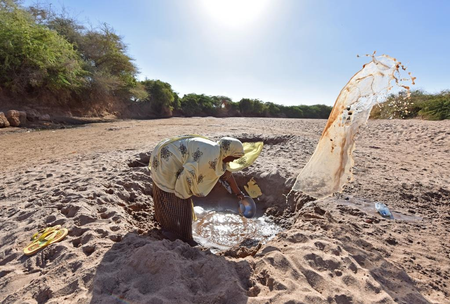
Drought is impacting more than 4.6 million individuals in Somalia, which represents about a quarter of the population, as per a UN spokesperson. The UN reports that around 120,000 people were displaced between September and December due to soaring water prices, food shortages, livestock deaths, and collapsing livelihoods. Education has also suffered, with over 75,000 students being forced to abandon school nationwide.
The upcoming dry season from January to March is expected to exacerbate the drought situation in Somalia, leading to increased water scarcity and higher livestock mortality rates. Authorities are urgently seeking assistance to prevent a potential collapse of pastoral and farming livelihoods and to avoid unnecessary loss of life. The UN has allocated $10 million from the Central Emergency Response Fund, but more substantial support is required urgently.
The drought emergency in Somalia is a result of poor rainy season performance and funding shortages for assistance, worsening the country’s already critical humanitarian situation. Somali authorities are appealing for immediate aid to prevent the collapse of pastoral and farming livelihoods and to save lives. The next four months are crucial as the next rainy season is not expected until April 2026.
Humanitarian efforts are underway to address the drought crisis, including assessing the severity of the situation, mapping supply stocks, and preparing for early action despite significant funding challenges. The UN agency is mobilizing responses to combat water scarcity, abnormal livestock migration, and acute food insecurity in various parts of Somalia.
