

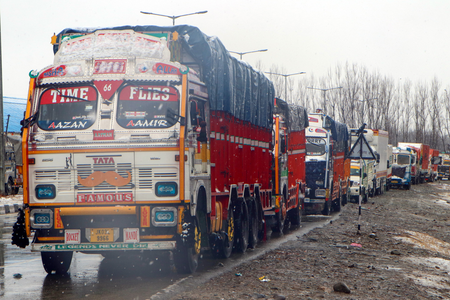
E-way bill generation surged by 13% year-on-year in March, reaching a record 140.6 million, as per Goods and Services Tax Network (GSTN) data. This increase also marked a 6.04% rise from February’s 132.59 million e-way bills.
Under the GST regime, an e-way bill is a digitally created document necessary for moving goods worth over Rs 50,000. It includes information about the shipment, sender, receiver, and carrier, facilitating real-time tracking of goods across states to prevent tax evasion.
The growth in e-way bill generation follows a significant reduction in GST rates last September, spurring demand for cheaper goods. This uptrend in economic activity is also evident in the rise of GST collections to Rs 1.78 lakh crore in March 2026, up by 8.2% from the previous year.
March saw gross GST collections exceeding Rs 2 lakh crore, a jump of 8.8% from March 2025’s Rs 1.83 lakh crore. The Ministry of Statistics’ Second Advance Estimates predict a 7.7% growth in real Private Final Consumption Expenditure for 2025-26, up from 5.8% in the previous fiscal year.
The Reserve Bank of India’s recent monetary policy review emphasized the strong growth momentum driven by robust private consumption and investment demand. RBI Governor Sanjay Malhotra highlighted the continuing growth impulses supported by solid private consumption and investment.
Despite global uncertainties stemming from the Middle East conflict, the RBI projects India’s real GDP growth at 6.9% for the financial year 2026-27. This outlook underscores the country’s resilience backed by strong domestic consumption and investment.
E-way Bill Generation Hits Record High, Reflects Economic Activity Surge


Indian Community Editorial Team
The Indian Community Editorial Team curates, verifies, and publishes stories that matter to Indians worldwide. From culture and community to business and innovation, our mission is to spotlight voices, ideas, and events that bring our global community closer together. Have news or a story to share? Submit it to us at [email protected].
Add A Comment