


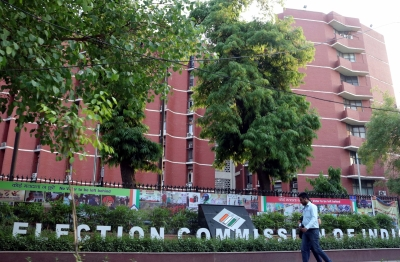
Amid concerns of indiscriminate notices being issued for hearings on claims and objections to the draft electoral roll in West Bengal, the Election Commission of India (ECI) has clarified the unusually high number of “logical discrepancies” cases in the state. Approximately 94 lakh such cases have been identified, indicating implausible family relationships in voter records during progeny mapping.
Officials from the Chief Electoral Officer’s office in West Bengal highlighted instances where fake voters tried to maintain their names on the electoral roll by falsely associating themselves with unrelated genuine voters. For example, some cases showed eight to ten voters as children of a single senior citizen voter, despite the senior citizen having only two children with no blood relation to the others listed.
The manipulation aimed to retain fake voters on the rolls by portraying them as siblings within a fabricated family structure linked to a legitimate voter. In one case, a 64-year-old voter was depicted as having two sons aged 60 and 59, suggesting he became a father at the age of five. Further investigation revealed that both individuals listed as his sons were fake voters who had falsely connected themselves to avoid removal from the electoral roll.
Despite facing criticism from political parties for summoning voters, especially senior citizens, for hearings, the Commission emphasized the necessity of addressing these discrepancies. The objective remains to safeguard genuine voters’ rights while ensuring that forged or fake voters are not retained on the electoral roll. The deadline for submitting claims and objections to the draft voters’ list ends soon, with hearings scheduled until February 7 and the final voters’ list set for publication on February 14.
