


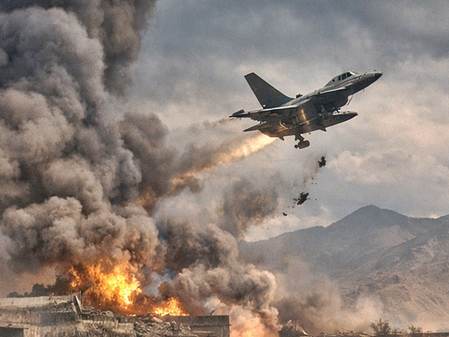
After months of border closures due to skirmishes along the Durand Line and aerial attacks by Islamabad in Afghan territory, tensions between Pakistan and Afghanistan have escalated significantly. The Durand Line, a British-era border dividing the two countries, has been a contentious issue as Kabul does not formally recognize it. Afghanistan has laid claim to regions in Pakistan, leading to ongoing conflicts.
Since October, Islamabad has conducted airstrikes in Afghanistan, accusing the Taliban regime of sheltering militants from groups like Tehreek-e-Taliban Pakistan and the Islamic State. Kabul has denied these allegations, but diplomatic talks have not resolved the issue. Pakistan has faced deadly attacks, including a recent suicide bombing in Islamabad, allegedly orchestrated by militants based in Afghanistan.
Both the Afghan Taliban and the Pakistani Taliban, rooted in the Pashtun community, have historical ties. While they once fought together against foreign forces, they are now in conflict. Afghanistan recently claimed to have carried out strikes in Pakistani territory, a rare cross-border retaliation. The situation is complex, with Pakistan having a stronger military presence and being a nuclear-armed state.
The Afghan conflict has historical roots in Islamabad’s support for Afghan mujahideen against the Soviet Union, evolving into a complex dynamic. The recent hostilities mark a reversal of alliances, with former allies now facing off across a disputed border. Afghanistan’s air force reportedly conducted strikes in Pakistan, signaling a new phase in the conflict.
Pakistan’s military strength, including a significant air force and a large number of personnel, contrasts with the Taliban’s militia. The Taliban, inheriting limited air assets post-US withdrawal, face challenges in operational readiness. The region’s geopolitical landscape is shifting, with the Durand Line becoming a focal point in the ongoing power struggle.
