


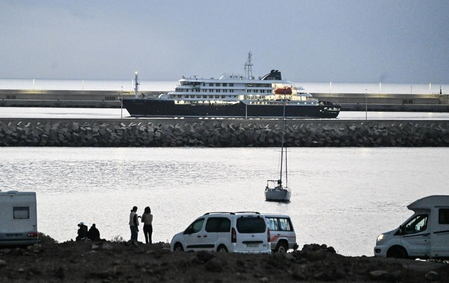
The European Commission is actively supporting national authorities in addressing a hantavirus outbreak in Europe. The European Centre for Disease Prevention and Control (ECDC) has assessed the risk to the general population as very low. Spain initiated the EU Civil Protection Mechanism on May 6, leading to the safe evacuation of individuals from the MV Hondius cruise ship anchored off Tenerife.
Five repatriation flights, organized by the EU and carried out by various countries including France, Spain, the Netherlands, Greece, and Ireland, have taken place. An additional flight, operated by the Netherlands, departed on Monday. The EU is mobilizing response capabilities and stockpiles from its strategic reserve, with a medical evacuation aircraft pre-positioned in Tenerife.
The Emergency Response Coordination Centre has deployed a liaison officer to Tenerife for on-site coordination, and the ECDC sent two experts to the ship before passengers disembarked. The EU is collaborating closely with EU members, countries involved in the Civil Protection Mechanism, the ECDC, the World Health Organization, and G7 partners to combat the outbreak.
Commissioner for Equality, Preparedness, and Crisis Management Hadja Lahbib emphasized the importance of cross-border coordination in addressing health threats. Hantaviruses, which naturally infect rodents and can be transmitted to humans, can cause severe illnesses and even death. Infection outcomes vary by virus type and geographical location, with hantaviruses in the Americas leading to hantavirus cardiopulmonary syndrome (HCPS) and those in Europe and Asia causing haemorrhagic fever with renal syndrome (HFRS).
While specific treatments for hantavirus diseases are lacking, early supportive medical care is crucial for improving survival rates. Prevention focuses on reducing contact between humans and infected rodents, as transmission occurs through contaminated urine, droppings, saliva, or less commonly, rodent bites. Activities involving rodent contact, such as cleaning enclosed spaces or farming, increase the risk of exposure.
