


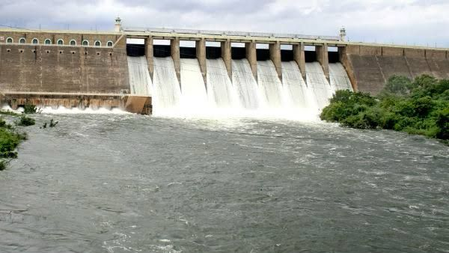
A group of farmers in the Lower Bhavani irrigation command area is calling for fair distribution of irrigation water among three major canal systems linked to the Bhavanisagar dam. They are urging the Tamil Nadu government to abandon the current staggered release schedule and ensure simultaneous supply to the Lower Bhavani, Thadapalli-Arakkankottai, and Kalingarayan canal schemes.
The farmers argue that the existing practice of releasing water at different times puts the Lower Bhavani command area at a significant disadvantage. Currently, the Thadapalli-Arakkankottai canal receives water in April, the Kalingarayan canal in June, and the Lower Bhavani canal only in August, which is well into the critical cultivation season.
Due to the delayed release of irrigation water, farmers have faced repeated crop failures and significant financial losses over the years. They highlight that the Lower Bhavani region has missed out on multiple cultivation cycles of paddy and pulse crops due to the uneven water distribution.
The farmers emphasize that the area is now experiencing severe drought conditions, leading to worsening drinking water scarcity in several villages. The Bhavanisagar dam plays a crucial role in irrigation across Erode, Tirupur, and Karur districts, supporting the cultivation of various crops like paddy, sugarcane, turmeric, banana, and coconut.
Seeking a lasting solution, the farmers are urging the Water Resources Department to allocate irrigation water based on the acreage covered by each canal system rather than following the current staggered schedule. They are also pushing for the simultaneous release of water to all three canal schemes in line with water tribunal guidelines to ensure fairness and prevent disputes over water sharing.
The leader of the Lower Bhavani Irrigation Farmers’ Association, V. Nallasamy, stresses that farmers cannot afford further delays and discriminatory practices in water release, which have consistently impacted cultivation in the region. He calls on the district administration and the Water Resources Department to guarantee equitable and timely water distribution, enabling farmers under all three canal systems to plan their agricultural activities without uncertainty.
