


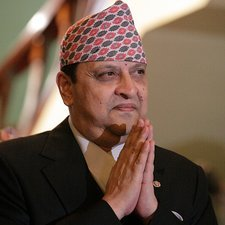
Days before Nepal’s upcoming parliamentary election, former king Gyanendra Shah has urged for its delay, cautioning that holding the polls amidst widespread dissatisfaction could exacerbate political instability and lead to more conflict. Shah, who was ousted by a parliamentary decision in 2008, emphasized that the ongoing political turmoil and public discontent have kept him in the spotlight, making his statements politically significant. The scheduled elections on March 5 come after the resignation of former Prime Minister Khadga Prasad Sharma Oli and his cabinet members last year following allegations of corruption and nepotism amid Gen Z protests.
In a video message, Shah expressed concerns that the election is being rushed despite significant opposition and protests, highlighting that conducting polls against public sentiment may not offer a lasting resolution to the country’s current political crisis. His message was seen as a call to those against the current political process to reconsider their participation in the election, putting pressure on the government and political parties to address the raised concerns. Shah also questioned the legitimacy of the interim government overseeing the election, pointing out that its formation did not adhere to a fully constitutional process and raising accountability issues for any adverse outcomes.
The Kathmandu Post quoted an unnamed minister criticizing Shah’s statement as “objectionable” while affirming the government’s commitment to conducting the elections. Concurrently, a pro-monarchy movement advocating for the reinstatement of a constitutional Hindu monarchy gained momentum last year, leading to significant rallies in Kathmandu and other regions. The movement, fueled by political instability and public dissatisfaction, argues that a return to a monarchical system could resolve governance issues. Leaders of the pro-monarchy Rastriya Prajatantra Party have been pushing for a “new agreement” between political factions and the former king to steer the nation towards political stability.
