


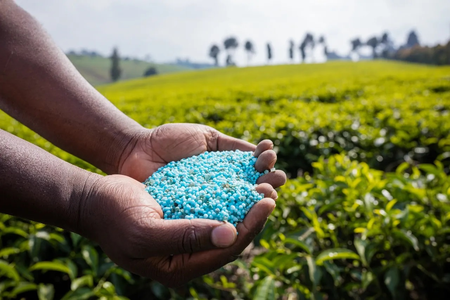
The government confirmed that there is a sufficient supply of fertilisers, with about 180 lakh metric tonnes available, up from 147 LMT last year, despite ongoing issues in West Asia. While domestic urea production has been impacted, urea and Diammonium phosphate (DAP) are being provided to farmers at regulated prices to maintain stability.
Aparna Sharma, Additional Secretary of the Department of Fertilisers, highlighted that global fertiliser markets have been disrupted, leading to price hikes due to geopolitical tensions. India, reliant on urea and phosphatic fertiliser imports, has secured long-term agreements with Saudi Arabia to ensure a steady supply of DAP and NPK over the next five years.
To mitigate risks associated with import dependency, India is diversifying its sourcing bases by procuring fertilisers from various countries like Russia, Morocco, Australia, and others. The government is proactively managing inventories, with April and May earmarked for inventory build-up, ensuring a consistent supply chain for the agriculture sector.
Joint Secretary Sujata Sharma from the Petroleum Ministry affirmed that the country has ample stocks of petrol, diesel, LPG, and LNG. Notably, measures have been taken to expand piped natural gas infrastructure, and relief initiatives have been implemented for vulnerable groups. Enforcement actions have been intensified to combat irregularities, with recent raids resulting in the seizure of cylinders.
