


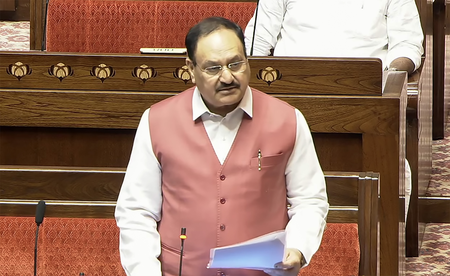
Comprehensive steps have been implemented by the government to protect the nation’s fertilizer distribution system and guarantee a continuous supply of fertilizers by diversifying sources, collective purchasing, and robust monitoring. Despite tensions in West Asia, fertilizer availability in India has been maintained adequately through diversified procurement and timely government actions, as stated by Union Minister Jagat Prakash Nadda in Lok Sabha. The initiatives involve facilitating long-term agreements between Indian fertilizer firms and foreign suppliers, exploring alternative sources through Indian missions, and encouraging joint procurement of raw materials like ammonia and sulphur by industry groups to enhance price negotiation.
The Department of Agriculture & Farmers Welfare collaborates with state governments to evaluate fertilizer needs on a state-by-state and monthly basis. Using these assessments, the Department of Fertilizers issues monthly supply plans, oversees fertilizer movement through the Integrated Fertilizer Management System (iFMS), and holds regular weekly video conferences to monitor availability and take necessary actions. The conflict in West Asia has affected India’s imports of ammonia, phosphoric acid, and sulphur, while potash imports have faced increased costs due to global logistical disruptions, according to the Ministry of Chemicals and Fertilizers.
During the Kharif 2026 period from April 1, 2026, to July 19, 2026, government data revealed that Urea, DAP, MOP, and NPKS were abundantly available, surpassing the required amounts. For instance, the availability of Urea at 163.78 lakh metric tonnes significantly exceeded the requirement of 109.40 lakh metric tonnes, while DAP availability at 39.54 LMT comfortably met the demand of 31.57 lakh metric tonnes. To address temporary shortages and price fluctuations of inputs like Isopropyl Alcohol (IPA), Ammonia, and Methanol, the government facilitated propylene allocation to enhance their availability in collaboration with the Ministry of Petroleum and Natural Gas. It also ensured the supply of excess ammonia to pharmaceutical sectors and improved methanol availability through existing traders and expanded supply sources in coordination with domestic producers.
