


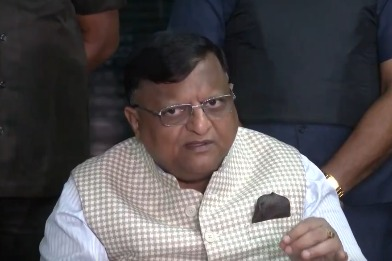
The process of government formation in West Bengal is in progress after the recent Assembly election outcomes. Mamata Banerjee, the current Chief Minister, has declined to resign, questioning the public’s decision. The State Chief Electoral Officer emphasized that the election machinery’s role is limited to conducting polls and announcing results, with the constitutional framework governing the subsequent steps.
Elaborating on the process, the Chief Electoral Officer explained that the Election Commission of India will issue a notification of elected candidates, which will then be forwarded to the Governor to initiate the formation of the new Assembly. The new Assembly will be constituted following the issuance of the statutory notification, marking the end of the old Assembly’s term. Subsequently, MLAs will take their oaths, and the Governor’s office will issue the necessary notifications for the formation of the new Assembly.
Amid a charged political environment post the Trinamool Congress’s electoral setback, Banerjee remains firm on not resigning voluntarily, alleging that the election results do not mirror the true public sentiment. The Bharatiya Janata Party is poised to establish the next government in West Bengal with a clear majority. Out of the 293 declared seats in the 294-member Assembly, the BJP has secured 206 seats, surpassing the majority mark of 196.
