


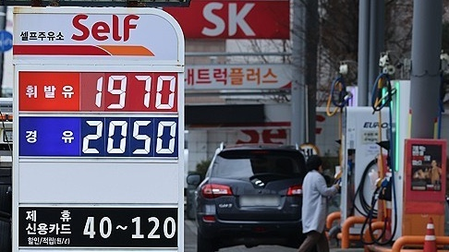
The government is set to launch a crude oil swap system with private firms from Tuesday to assist oil refineries in securing alternative oil sources and reducing supply disruptions. This initiative, scheduled for the next two months, involves the government lending some of its oil reserves, primarily Middle Eastern crude, to refineries. The stock will later be replenished with alternative supplies obtained by the companies.
This system aims to help companies maintain stable oil reserves despite potential supply delays caused by the effective closure of the Strait of Hormuz due to the Iran conflict. By utilizing this approach, the government intends to delay tapping into its strategic oil reserves, which serve as a crucial backup in the event of disruptions in crude oil supply. Yang Ghi-wuk, the deputy minister for trade, industry, and resource security, highlighted the flexibility and responsiveness of this system during a regular briefing.
Yang emphasized the necessity of adapting to the crisis by operating the system more flexibly. Currently, four companies have applied for the program, totaling a combined 20 million barrels of crude oil exchange. The government plans to kick off the initiative by signing a 2 million barrel swap deal with an undisclosed company. Private sector efforts are underway to secure alternative oil supplies from various regions like Africa, Central Asia, North and South Americas, and Australia. The report suggests that South Korea is not expected to face actual disruptions in domestic crude oil supply until the end of June.
