


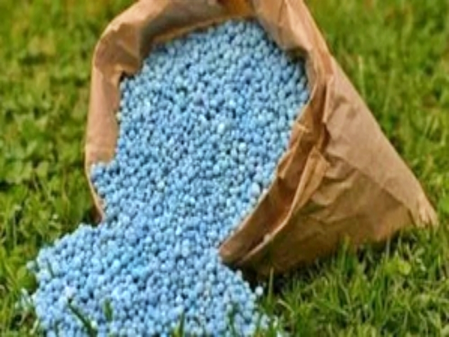
The government anticipates a surge of around Rs 15,000 crore in fertiliser subsidy payments for the April-June quarter due to escalating import expenses triggered by the West Asia crisis. Aparna S. Sharma, Additional Secretary at the Department of Fertilisers, acknowledged the impending rise without specifying the exact percentage. Despite cost pressures, Sharma assured that fertiliser availability for the upcoming kharif season in 2026 remains adequate, with stocks surpassing 51% of the total requirement.
Sharma emphasized that the current fertiliser situation is robust, stable, and sufficient for demand. Domestic production is operating at about 80,000 tonnes daily, slightly lower than the previous year’s output due to the ongoing crisis. Adequate gas supply for urea plants is ensured, with India diversifying its fertiliser imports away from the Strait of Hormuz region.
To prevent shortages during peak demand, Indian fertiliser companies have initiated global tenders for essential materials. The government has maintained the Maximum Retail Price (MRP) of major fertilisers, providing relief to farmers. The Department of Fertilisers is closely monitoring input availability and processing subsidy payments weekly to uphold the supply chain’s liquidity.
