


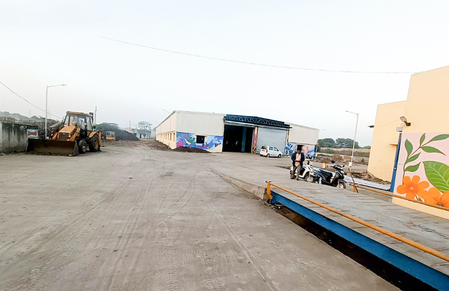
Gujarat is making significant progress in waste management, with plans to achieve 100% disposal of legacy waste in the next two months. The state government is committed to creating a ‘legacy waste-free Gujarat’ by March 2026, aiming to enhance the greenery, cleanliness, and livability of cities. So far, 273.33 lakh metric tonnes of the identified 304.09 lakh metric tonnes of legacy waste have been properly disposed of.
The Urban Development Department in Gujarat is focusing on enhancing cleanliness, sustainable infrastructure, and overall quality of life in urban areas. The state has been a frontrunner among major states in scientifically disposing of legacy waste accumulated in dumpsites, contributing significantly to urban development. Effective waste management not only reduces pollution and health risks but also transforms reclaimed land into useful spaces for development projects and green areas.
Through the clearing of dumpsites in municipal areas, Gujarat has reclaimed around 902 acres of land, which will be utilized for productive purposes like constructing processing plants. Notably, the state has successfully disposed of waste at specific dumpsites like Bopal-Ghuma in Ahmedabad and Nakravadi in Rajkot, establishing a Miyawaki forest. These efforts have led to a significant reduction in methane emissions and have addressed issues related to waste burning at these sites.
The state government’s initiatives, including the allocation of Rs 75 crore under the Nirmal Gujarat 2.0 scheme for legacy waste management by Urban Local Bodies, are aligned with the ‘Swachh Bharat Mission Urban 2.0’. These efforts are driving Gujarat towards the goal of ‘Garbage Free Cities’, emphasizing environmental protection, public health, and sustainable urban development.
