


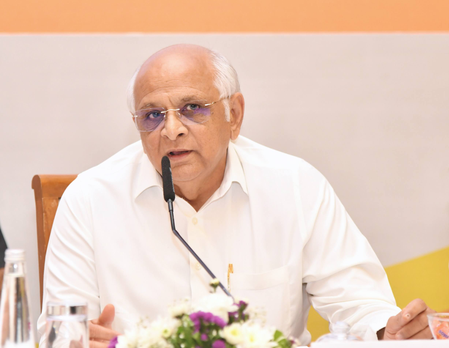
Gujarat has purchased agricultural produce amounting to Rs 65,570 crore through the Minimum Support Price (MSP) system in the last ten years, benefiting close to 49 lakh farmers. The state witnessed a significant increase in MSP procurement, with 1.05 crore metric tonnes of crops bought between 2016 and 2026. Farmer participation surged from 2.01 lakh beneficiaries in 2016-17 to over 14 lakh in 2025-26, while the annual procurement value escalated from Rs 1,775 crore to Rs 23,800 crore during this period.
The rise in procurement is attributed to reforms in the procurement process and the enforcement of a policy setting MSP levels to ensure farmers receive returns exceeding their production costs. Groundnut and cotton were the most procured crops in Gujarat, with 52.48 lakh metric tonnes of groundnut valued at Rs 31,941 crore and 25.23 lakh metric tonnes of cotton worth Rs 17,759 crore purchased over the past decade. Cotton procurement specifically shielded growers from global market price fluctuations.
Apart from groundnut and cotton, other major crops also saw increased procurement. Farmers were paid Rs 9,549 crore for 16.81 lakh metric tonnes of gram procured under MSP, and 4.97 lakh metric tonnes of pigeon pea (tur) were bought for Rs 3,222 crore. Additional procurement of crops like mustard, soybean, urad, and moong further benefited small and marginal farmers across the state.
Chief Minister Bhupendra Patel and Agriculture Minister Jitu Vaghani have overseen the expansion of the procurement program in Gujarat. The state government noted substantial increases in MSP rates for various crops over the past decade, such as common paddy by 61%, wheat by 59%, bajra by 108%, hybrid jowar by 127%, groundnut by 102%, and cotton by 99%. Changes in procurement procedures, including online registration and Direct Benefit Transfer (DBT) payments, have been highlighted. Payments are now directly transferred to farmers’ bank accounts, reducing intermediary involvement and enhancing transparency.
SMS-based communication and digital registration have streamlined the procurement process for farmers. MSP rates are now announced before the sowing season to aid farmers in crop planning. Prices are recommended by the Commission for Agricultural Costs and Prices after evaluating input costs like seeds, fertilizers, electricity, diesel, and labor. The government emphasized that the expansion of MSP procurement and prompt payments have bolstered farmers’ confidence and rural economic activities in Gujarat.
