


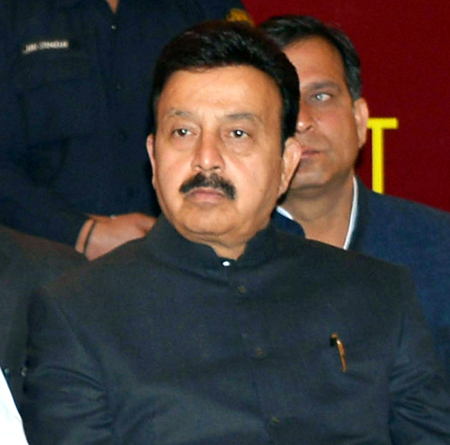
Haryana’s Environment, Forest, and Wildlife Minister, Rao Narbir Singh, affirmed the government’s dedication to preserving the Aravali mountain range. The state is actively executing the Haryana Aravali Green Wall Project to combat environmental issues like desertification and land degradation. By 2030, a comprehensive plan will be in place to drive this initiative forward.
Singh expressed appreciation for the Central government’s support, highlighting the honor of hosting the IUCN Pavilion event in Haryana. He credited Prime Minister Narendra Modi for launching impactful programs like Mission LiFE and ‘Ek Ped Maa Ke Naam,’ which have spurred a global movement towards environmental sustainability. These efforts are encouraging people worldwide to embrace eco-friendly lifestyles.
Under Chief Minister Nayab Singh Saini’s leadership, Haryana has introduced innovative projects such as Oxy Van, Pran Vayu Devta Yojana, and Van Mitra Yojana to engage communities in conservation activities. These initiatives, inspired by the Prime Minister’s vision, are set to bolster Aravali conservation efforts significantly.
The government is proposing to incentivize farmers in southern Haryana for preserving native tree species like ‘Jati’ and ‘Roheda’ through an annual honorarium scheme. This initiative, akin to the Pran Vayu Devta Yojana, aims to sustain greenery in the Aravali region while actively involving local residents in conservation endeavors.
Singh emphasized the ecological importance of the Aravali mountain range for Haryana, serving as a crucial shield against desertification and a key biodiversity hotspot. Recognized globally for its cultural and historical significance, the Aravali range plays a pivotal role in groundwater recharge, air quality enhancement, and climate change mitigation.
Through the Aravali Green Wall Project, Haryana is committed to collaborating with neighboring states like Rajasthan, Gujarat, and Delhi to ensure the region’s ecological sustainability. Noteworthy projects such as the Gurugram Aravali Biodiversity Park exemplify successful ecosystem restoration efforts, earning recognition as India’s first OECM under IUCN guidelines.
Welcoming the Supreme Court’s revised definition of the Aravali mountain range, Singh revealed the government’s proposal to conserve nearly 90% of the area. The state aims to generate green employment opportunities, foster public engagement, and fortify biodiversity conservation and eco-friendly resource management in the Aravali region.
