


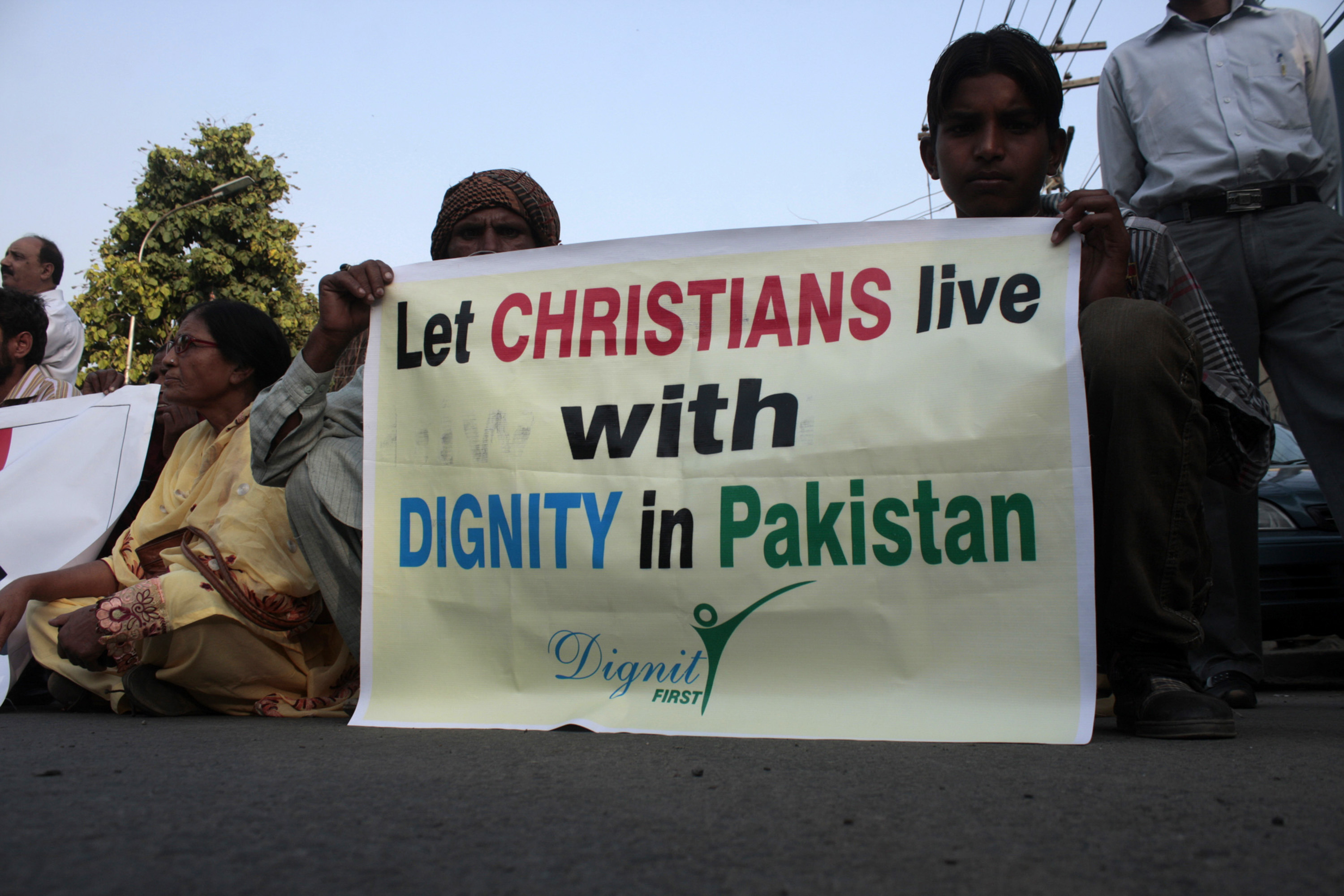
Several human rights activists in Pakistan have raised alarms about the escalating challenges to religious freedom in the country. They point to discriminatory policies, societal attitudes, and the inadequate enforcement of constitutional safeguards as key factors fueling this concern. At a symposium organized by the Human Rights Commission of Pakistan (HRCP) in Lahore, lawyer Hina Jilani emphasized that despite constitutional guarantees, religious freedom remains a critical human rights issue in Pakistan.
Jilani highlighted a discrepancy between the constitutional provisions and their actual implementation, stating that the country has regressed in ensuring religious freedom. She criticized the policies and laws introduced during the tenure of former President General Zia-ul-Haq, which she believes have perpetuated a sense of religious superiority among the majority and exacerbated discrimination against minorities. The HRCP has been actively advocating for religious freedom since its inception in 1986.
The discussion also shed light on the challenges faced by the Ahmadi community in Pakistan. Jilani expressed deep concern over the restrictions imposed on Ahmadis to practice their faith freely. She noted that even expressing their beliefs on digital platforms has led to cybercrime charges against them, highlighting the harsh realities faced by religious minorities in the country. Educational policies under successive military regimes were criticized for promoting a narrow religious-nationalist narrative that stifles critical thinking and diversity.
Neelam Hussain, another speaker at the event, emphasized how biased educational policies have shaped societal attitudes and hindered the educational opportunities of minority students. The presence of a singular religious-nationalist narrative in textbooks and classrooms was identified as a significant barrier to fostering a more inclusive and diverse educational environment. Peter Jacob, addressing curriculum-related challenges, underscored the importance of upholding constitutional protections for religious minorities and ensuring that children are not compelled to receive religious instruction conflicting with their beliefs.
