


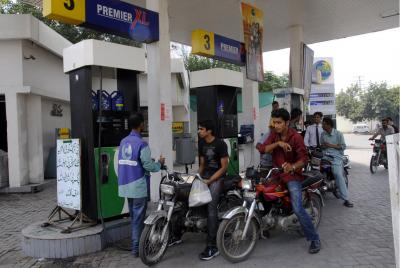
The International Monetary Fund (IMF) has advised Pakistan to promptly rectify distortions in petroleum pricing resulting from government subsidies amid global price surges linked to the Iran conflict. Concerns mainly focus on diesel pricing adjustments, with the IMF emphasizing their swift resolution. Initially, the government balanced finances by modifying the petroleum development levy (PDL) and later shifted to targeted subsidies funded by provinces.
The reduction in the PDL on diesel, currently at zero against the budgeted Rs 80 per liter, is being compensated by increased petrol rates. However, the recent Rs 80 per liter petrol price cut by Prime Minister Shebaz Sharif has impacted this balance, necessitating a reassessment. Despite higher petrol consumption partially offsetting the diesel PDL erosion, diesel demand is expected to rise during the ongoing harvest season.
Economic indicators for the current fiscal year align broadly with IMF targets, but significant adjustments are needed for next year’s macroeconomic framework. These adjustments, to be finalized in consultation with the IMF before the 2026–27 federal budget, are crucial. The petroleum industry’s differential claims have surpassed Rs 129 billion, but recent price hikes have ceased these claims, with payments to oil companies and refineries subject to a 10% retention pending audit verification.
According to the Dawn, the IMF’s staff-level agreement from March 29 remains valid, with the federal petroleum subsidy of Rs 152 billion introduced with IMF awareness. Finance Minister Muhammad Aurangzeb and his team are set to update the IMF on provincial contributions to the petroleum subsidy during the upcoming IMF and World Bank spring meetings. However, the IMF continues to oppose blanket subsidies on major petroleum products.
