


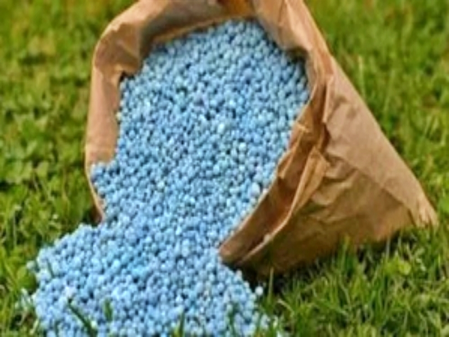
India’s fertiliser security remains robust, with the government increasing domestic production and imports to surpass farmers’ needs across all major categories amidst the Middle East crisis. The country currently holds a stock of 199.65 LMT, covering over 51% of the seasonal demand, a significant rise from the usual buffer levels. This improvement is attributed to enhanced advance stocking and efficient logistics management, as highlighted by Aparna S. Sharma, Additional Secretary of the Department of Fertilisers.
Following a recent crisis, both domestic production and imports have been significantly boosted, contributing around 97 lakh metric tonnes to the total availability. Of this, domestic production alone added 76.78 LMT, while imports accounted for 19.94 LMT at Indian ports.
To prevent shortages during peak demand, Indian fertiliser companies have initiated global tenders for DAP, TSP, and ammonium sulphate. Moreover, tenders for raw materials like Ammonia and Sulphur are in progress. The government also confirmed the expected arrival of approximately 7 LMT of NPKs from outside SOH at Indian ports in May and June.
In a positive development for farmers, the government announced no change in the Maximum Retail Price of major fertilisers. The Department of Fertilisers is actively monitoring input availability for Urea and P&K production, ensuring timely clearance of subsidy bills to maintain supply chain liquidity. The Empowered Group of Secretaries has conducted eight meetings to address availability challenges and ensure affordable fertiliser rates for farmers without disruptions.
