


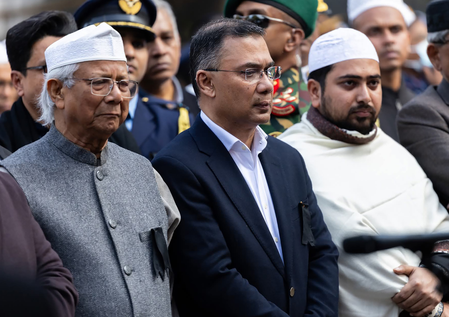
Having adjusted its strategy under the interim government in Bangladesh led by Muhammad Yunus, India is gearing up for the upcoming elections in its neighboring country. With escalating tensions and a surge in anti-India sentiments, especially by Islamist groups like the Jammatis, India faces the challenge of maintaining strategic trust and countering negative influences in Dhaka.
Analyst Srijan Sharma highlighted the concerning trend of violence targeting media outlets, Hindus, and political offices in Bangladesh, reminiscent of tactics seen before the 2001 elections. During that period, the BNP-Jammat alliance’s supporters incited violence against certain groups, leading to a wave of anti-Awami League and anti-India sentiments.
The historical context of the 2001 elections in Bangladesh, marked by violence and political shifts, serves as a cautionary tale for India. The rise of Islamist elements and reports of Pakistan’s involvement in recent pre-election violence raise concerns about the security landscape in Bangladesh and its implications for regional stability.
Pakistan’s increasing influence in Bangladesh, as evidenced by high-level visits and strategic engagements, signals a shift in the country’s foreign relations. The Yunus government’s alignment with Pakistan post-Sheikh Hasina’s era poses challenges for India’s regional interests and underscores the need for a nuanced approach in the evolving political dynamics.
