


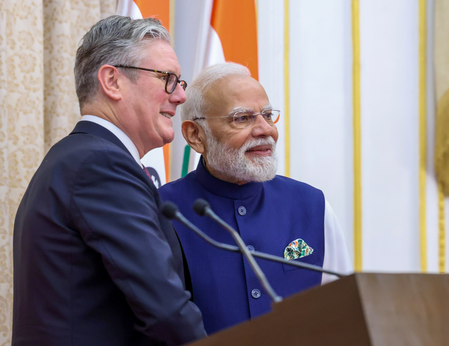
India has intensified efforts to establish new economic and trade alliances amidst global economic uncertainties, primarily due to the US tariff disputes. The country has recently signed significant free trade agreements with the UK, New Zealand, and Oman, with ongoing negotiations with the European Union. These agreements aim to boost trade, enhance competitiveness, attract quality foreign investments, and provide access to advanced technologies and markets.
These trade agreements offer India improved access for its manufactured goods and skilled professionals in various markets. Notably, the agreements ensure fair deals that benefit India’s economy while safeguarding the agricultural sector from adverse impacts of foreign competition. In July, India inked a Comprehensive Economic and Trade Agreement (CETA) with the UK, granting duty-free access to a vast majority of India’s exports to the UK, benefiting sectors like textiles, leather, and engineering goods.
The trade agreement with the UK also covers services, a vital aspect of India’s economy, with a focus on sectors like IT, healthcare, finance, and education. Mobility for professionals across these sectors has been facilitated under this agreement. Additionally, India’s economic partnership agreement with EFTA countries and the recent FTA with New Zealand are expected to bring substantial benefits to various sectors, including manufacturing, pharmaceuticals, and services.
India’s trade pact with Oman, signed in December, opens up new economic opportunities in the Gulf region. The Comprehensive Economic Partnership Agreement (CEPA) with Oman offers significant tariff concessions for India, particularly in labor-intensive sectors. The services sector is also set to benefit from this agreement, with wide-ranging opportunities for Indian service providers in Oman’s market. These agreements reflect India’s growing influence in global trade and its attractiveness for foreign investments.
