


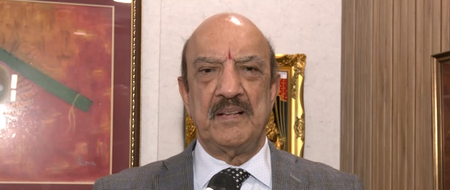
The recently finalized India-US trade agreement has garnered varied responses from foreign policy and strategic affairs experts. Many view it as a significant milestone showcasing India’s growing global negotiating prowess while upholding its economic self-reliance. Foreign affairs expert K.P. Fabian highlighted the importance of direct engagement between Prime Minister Narendra Modi and US President Donald Trump in breaking the deadlock, emphasizing the positive aspects of the development, especially amidst pressure on the rupee.
Major General (Retd.) Dhruv C. Katoch also lauded the agreement, citing US President Trump’s tendency to announce policy decisions publicly before gauging reactions. He pointed out that India’s expanding trade partnerships with the European Union and the United Kingdom have bolstered its bargaining power. Additionally, Katoch mentioned that India’s energy procurement strategy would be guided by economic factors, indicating a potential shift in oil sourcing considering favorable prices.
Former diplomat J.K. Tripathi characterized the tariff reduction as a strategic outcome of India’s proactive trade engagements. Tripathi highlighted India’s efforts to enhance trade relations with entities like EFTA, the UK, and Germany, exerting competitive pressure on the US. He underscored India’s vast market potential of 1.4 billion people, suggesting that concerns over missed economic opportunities may have expedited the agreement. Tripathi commended India’s confident and balanced stance in global trade negotiations, reflecting a strategic approach.
Experts perceive the agreement as a testament to India’s increasing influence in shaping global trade dynamics while safeguarding its domestic economic interests.
