


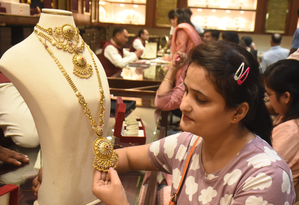
Indian households possess between 11–16 percent of all the gold ever mined globally, surpassing the combined national reserves of the United States, Germany, Italy, and Russia. This revelation comes ahead of Akshaya Tritiya on April 19. Recent price fluctuations following the nomination of Kevin Warsh to the US Federal Reserve are viewed as a short-term adjustment by digital investment platform InCred Money, emphasizing the enduring structural demand for gold.
One out of every three Indian households chooses to retain gold as a long-term wealth store, with India’s private gold reserves at one point exceeding 100 percent of the country’s GDP. Described as a multigenerational belief, gold ownership in India has been reinforced through various economic cycles, currency instabilities, and geopolitical uncertainties. The metal has historically served as India’s primary alternative asset, as highlighted in a recent report.
The report also notes a 90 percent surge in gold prices between March 2025 and March 2026, attributed to consistent central bank purchases of over 1,000 tonnes annually since 2022. Policy actions, such as the freezing of $300 billion of Russia’s foreign reserves in 2022, underscore the risks associated with dollar-denominated assets. The Reserve Bank of India (RBI) has repatriated gold holdings from London, aligning with China’s directive for its major insurers to allocate up to 1 percent of assets into physical gold by 2025.
China’s strategic shift could redirect an estimated $45–53 billion or approximately 630–750 tonnes of gold over three years, constituting 15–20 percent of the yearly newly mined gold. Gold ETF schemes in India have shown average one-year returns ranging from about 58.81 percent to 62.85 percent, with five-year CAGR returns varying from approximately 25.78 percent to 26.11 percent. In 2025, domestic silver prices surged by over 170 percent, while domestic gold prices rose by more than 76 percent, surpassing benchmarks like the Nifty and the S&P 500.
