


Hyderabad-based drugmaker Indian Immunologicals Limited (IIL) denied allegations made by Australian health authorities regarding counterfeit batches of its antirabies vaccine, Abhayrab, circulating in India since November 2023. IIL has been producing Abhayrab in India since 2000. The company dismissed the alert by the Australian Technical Advisory Group on Immunisation as outdated and not reflective of the current situation.
In response to the claims, Sunil Tiwari, Vice President and Head of Quality Management at IIL, emphasized that the company’s pharmacovigilance and quality systems are strong. IIL assured stakeholders that vaccines supplied directly by the company and its authorized channels can be trusted. Since 2000, over 210 million doses of Abhayrab have been distributed in India and 40 other countries, with the vaccine maintaining a 40% market share in India.
Australian health authorities warned that individuals who received the counterfeit vaccine may not be fully protected against rabies. They advised those vaccinated with Abhayrab from November 1, 2023, onwards to consult their healthcare provider for potential replacement doses. IIL took proactive measures in January 2025 after identifying a packaging issue in a specific batch (Batch # KA 24014). The company promptly reported the anomaly to Indian regulators and law enforcement agencies, ensuring swift action was taken.
Describing the incident as isolated, IIL confirmed that the counterfeit batch is no longer in circulation. The company reiterated its commitment to providing safe vaccines and emphasized that every vaccine batch undergoes rigorous testing by the Central Drugs Laboratory (Government of India) before being released for sale or administration. Vaccines supplied through authorized channels are guaranteed to be safe and of standard quality.
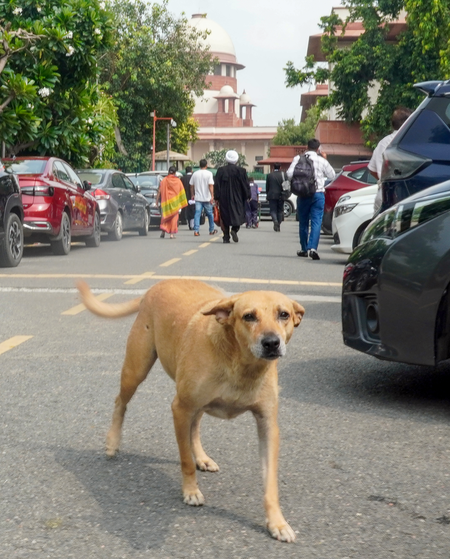
Rabies is a deadly viral disease that affects the central nervous system, primarily transmitted to humans through infected dogs. Once clinical symptoms appear, rabies is fatal in all cases. India witnesses an estimated 18,000–20,000 rabies-related deaths annually, with the majority resulting from dog bites, according to the World Health Organization (WHO).
