


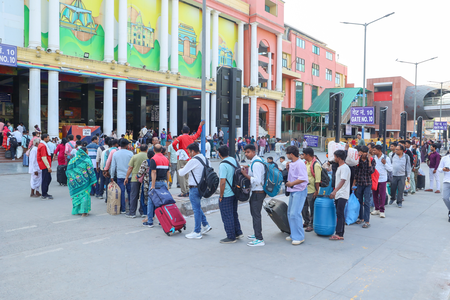
Indian Railways has implemented AI-enabled video surveillance at 1,874 stations to enhance passenger safety and security. This system automates the detection of events like intrusion and loitering, alongside using facial recognition software for real-time identification. Railway Minister Ashwini Vaishnaw highlighted the significance of this technological advancement, referring to the cameras as the “eyes of the system” and AI as its “brain.”
The Integrated Passenger Information System (IPIS) has also been upgraded significantly. It now includes Electronic Train Indicator Boards, Coach Guidance Systems, and Public Address Systems for the timely dissemination of train-related information. IPIS has been integrated with the National Train Enquiry System (NTES) at 1,405 stations, enabling automatic real-time announcements.
Moreover, Tunnel Communication Systems have been introduced in various railway zones, including the Udhampur-Srinagar-Baramulla Rail Link project. This system ensures continuous radio communication between personnel inside tunnels and operation control centers, enhancing safety and coordination in challenging terrains. The Unified Telecom Backbone Infrastructure has been enhanced through Internet Protocol Multi-Protocol Label Switching (IP MPLS) technology to meet current and future bandwidth needs of critical railway applications.
The IP MPLS network, commissioned at 1,396 railway stations, supports core railway systems like Mobile Train Radio Communication (MTRC), Passenger Reservation System (PRS), and video conferencing. These initiatives reflect Indian Railways’ commitment to leveraging technology and innovation for a safer, smarter, and more efficient railway network. The ongoing modernization efforts aim to cater to passenger needs and align with the Digital India vision.
