


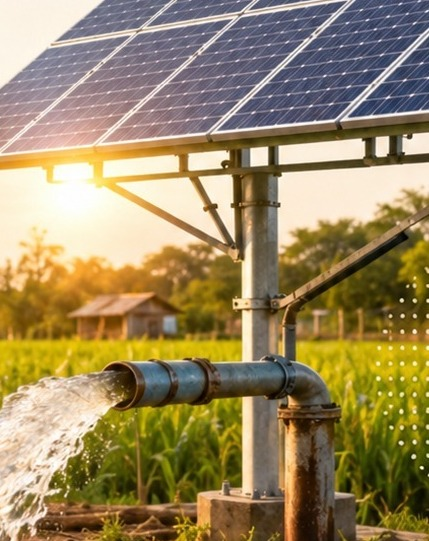
India’s renewable energy capacity has surged nearly four times, from 76.38 GW in 2014 to 288.58 GW by June 30, 2026, as per government data presented in Parliament.
Solar power leads the renewable energy sector in India with an installed capacity of 162.15 GW, followed by wind power at 57.44 GW and hydropower at 57.24 GW. Bio power contributes 11.75 GW to the total renewable energy capacity.
As of June 30, 2026, India has a total of 297.36 GW of electricity capacity from non-fossil fuel sources, comprising 288.58 GW from renewable energy and 8.78 GW from nuclear power.
Over the period from FY 2014 to FY 2026, the renewable energy sector in India has attracted Foreign Direct Investment (FDI) amounting to USD 45.72 billion. Domestic financial institutions have also invested Rs 12.32 lakh crore in the sector, including 12 public sector banks and other entities.
India is progressing well towards its goal of achieving 500 GW of non-fossil fuel energy capacity by 2030. The growth in renewable energy capacity has been supported by advancements in domestic manufacturing of solar modules and cells.
The government emphasizes the need for deeper integration of generation, storage, and transmission systems in the next phase of renewable energy development, along with enhancing grid resilience.
Renewable energy is increasingly vital for the competitiveness of key industrial sectors like steel, aluminium, chemicals, automotive, and textiles. Future growth areas include green hydrogen, battery storage, pumped hydro, offshore wind, and continuous renewable energy solutions.
Renewable energy now plays a crucial role in meeting India’s peak power demand, contributing to nearly one-third of the highest-ever demand of 256 GW.
