


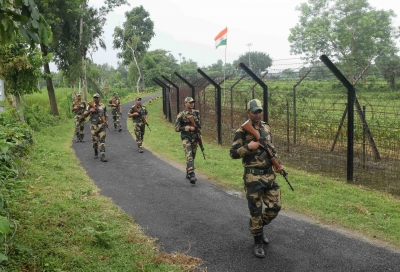
As Assam and West Bengal head to the polls, the contentious issue of infiltration, particularly by Bengali-speaking Muslim migrants from Bangladesh, takes center stage. Identity, migration, and language have long been significant topics in these regions, often sparking clashes. Political discourse has been heavily influenced by concerns over immigration, with governments accused of neglecting the demographic impact, especially in West Bengal.
The polarization of voters along religious and regional lines has escalated the infiltration issue into a major political debate. Reports like the 2018 Brahma Committee have highlighted risks to indigenous communities in Assam due to Bangladeshi immigration, focusing on land rights and encroachment. Assam’s Chief Minister has raised concerns about Assamese Hindus potentially becoming a minority in their own land, echoing historical movements like the Assam Accord of 1985.
The National Register of Citizens (NRC), stemming from the Assam Accord, remains a contentious process. Census data reveals shifting linguistic balances, with growth in both Assamese and Bengali speakers fueling anxieties about demographic changes. The complexity of language and identity categorization in Assam, dating back to colonial times, adds challenges to identifying “illegal immigrants” definitively.
In West Bengal, the ruling Trinamool Congress has opposed the NRC, alleging bias against Bengali speakers. The Election Commission’s Special Intensive Revision (SIR) has also drawn attention, with claims of harassment against Bengali speakers. The political landscape sees a clash between defending Bengali pride and allegations of diversion from governance failures, reflecting a broader battle over credibility and nationalism.
The debate over migrant rights serves as a proxy for issues of credibility and nationalism, with Banerjee rallying Bengali pride against perceived outsider threats in West Bengal, while the BJP in Assam emphasizes protecting indigenous identity. The historical context of migration into Assam and Bengal, from colonial settlements to post-partition refugee waves, underscores the deep-rooted nature of the issue. Addressing migration and identity challenges without succumbing to political expediency is crucial in navigating the complexities of regional pride and national integration.
